The g99 application is an essential requirement for connecting larger renewable energy systems to the UK electricity grid. It is designed to ensure that installations such as solar PV systems, wind turbines, and battery storage units operate safely within the limits of the local distribution network. Without a successful g99 application, most medium to large-scale energy systems cannot legally export electricity back to the grid.

In the UK energy sector, the g99 application plays a key role in maintaining grid stability and preventing overload issues. It acts as a technical approval process carried out by Distribution Network Operators (DNOs), ensuring that every installation meets safety and performance standards. This makes the g99 application a crucial step for homeowners, businesses, and developers investing in renewable energy solutions.
What is G99 Application
The g99 application is a formal connection approval process required by UK Distribution Network Operators before installing any energy generation system above specific capacity thresholds. It applies to systems that exceed the basic G98 limits and is commonly used for solar PV installations, battery storage systems, and hybrid renewable setups across residential and commercial properties.
Understanding what the g99 application involves is important because it ensures that new energy systems do not negatively impact the electricity grid. The process evaluates technical compatibility, export capacity, and safety compliance. In simple terms, the g99 application guarantees that renewable energy systems can safely operate while feeding electricity back into the national grid.
When Do You Need a G99 Application
A g99 application is required when your renewable energy system exceeds standard microgeneration limits, typically 3.68 kW per phase on a single-phase supply. If your system produces more power than this or uses a three-phase connection, you will almost certainly need a g99 application before installation can proceed.
The need for a g99 application also arises when upgrading existing solar systems or adding battery storage units that increase export capacity. In many cases, installers assess your project during the design phase to determine whether a g99 application is necessary. This ensures compliance with Distribution Network Operator rules before any physical work begins.
G99 Application Process Explained Step by Step
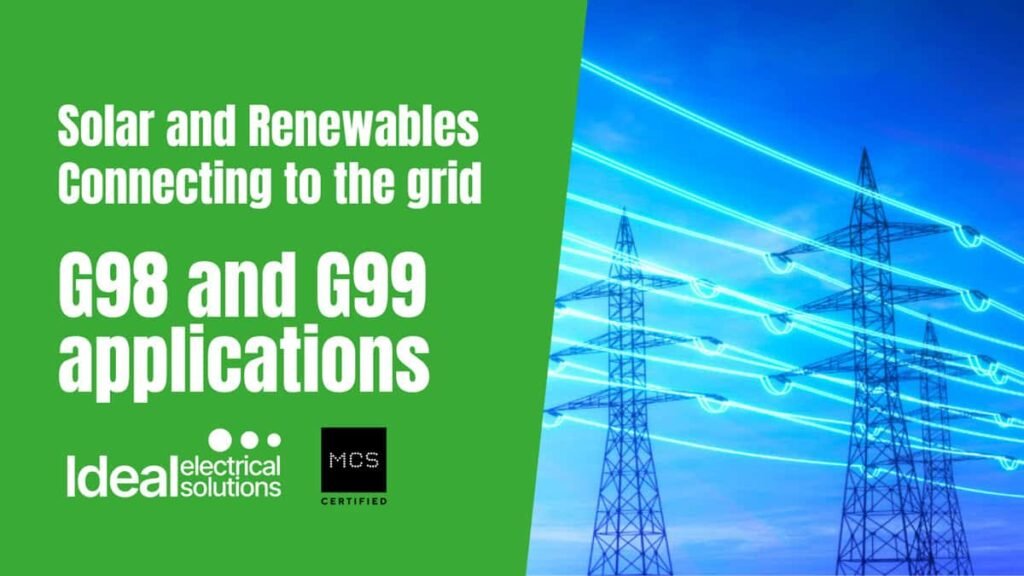
The g99 application process begins with a detailed technical assessment carried out by a qualified installer or engineer. This includes system design, inverter specifications, and export calculations. These details are essential for completing the g99 application correctly and ensuring the DNO can evaluate the proposed connection accurately.
Once the g99 application is submitted, the relevant Distribution Network Operator reviews the technical data. They assess whether the local grid can support the new installation without causing instability or safety risks. If approved, the installer receives permission to proceed, allowing the system to be installed, tested, and eventually connected to the grid.
G99 Application Forms and Documentation
The g99 application requires specific documentation, including the official ENA application form, technical schematics, and equipment specifications. These documents are necessary for the Distribution Network Operator to understand how the system will interact with the electricity grid and ensure compliance with national standards.
In most cases, the g99 application form is downloaded from the Energy Networks Association (ENA) and submitted either online or via an installer portal. Accurate completion is critical because even small errors in documentation can delay the approval process or result in rejection of the g99 application.
G99 Application Cost in the UK
The cost of a g99 application in the UK can vary depending on system size, complexity, and the specific Distribution Network Operator involved. Smaller residential systems may have relatively low costs, while larger commercial installations may require additional engineering assessments, increasing the overall price.
In many cases, the g99 application cost is included within the installation package provided by solar installers. However, some projects require independent consultants, especially in regions such as Glasgow or Perth, where grid conditions or system complexity demand additional technical expertise for a successful g99 application.
How Long Does a G99 Application Take
The timeline for a g99 application depends heavily on system size and grid capacity in your local area. Smaller applications may be processed within a few weeks using a fast-track route, while larger systems may take several months due to detailed technical analysis and grid impact studies.
Delays in the g99 application process are often caused by missing documentation or high demand in certain regions. Ensuring that all technical details are correctly submitted at the beginning of the process can significantly reduce approval times and improve the overall efficiency of the g99 application.
Regional DNO Differences in G99 Application
Different Distribution Network Operators manage the g99 application process across the UK, including UK Power Networks (UKPN), Scottish and Southern Electricity Networks (SSEN), National Grid, and Northern Ireland Electricity. Each operator has its own procedures and timelines for reviewing applications.
For example, a g99 application submitted through UKPN may follow slightly different technical requirements compared to SSEN in Scotland. These regional differences make it important to understand your local DNO rules before submitting a g99 application, ensuring smoother approval and fewer delays.
Common Issues and G99 Application Rejections
A g99 application can be rejected for several reasons, including incomplete documentation, incorrect technical specifications, or failure to meet grid capacity requirements. One of the most common issues is submitting inaccurate inverter data or missing essential electrical diagrams.
When a g99 application is rejected, the DNO typically provides feedback explaining the reason. The installer must then correct the issues and resubmit the application. Proper preparation and attention to detail significantly improve the chances of first-time approval for a g99 application.
G99 Application for Solar and Battery Systems
The g99 application is particularly important for solar PV systems combined with battery storage. These hybrid setups often increase export capacity, making DNO approval essential before installation. The application ensures that energy exported back to the grid remains within safe operational limits.
As renewable energy adoption grows in the UK, the g99 application has become increasingly relevant for homeowners investing in solar energy. It ensures that both solar panels and battery systems work efficiently together while remaining compliant with national grid regulations.
Conclusion
The g99 application is a vital process in the UK renewable energy sector, ensuring that all medium and large-scale energy systems are safely connected to the electricity grid. It protects infrastructure stability while allowing homeowners and businesses to benefit from clean energy generation.
Understanding the g99 application process, requirements, and timelines helps avoid delays and ensures successful installation of renewable systems. From documentation to final approval, every stage of the g99 application contributes to a safer, more reliable, and more sustainable energy future in the UK.