The hoover washing machine e20 error is one of the most frequently reported issues among UK households using Hoover appliances. It usually appears mid-cycle and immediately stops the machine from draining water properly. While it may look serious on the display, this error is typically linked to drainage restrictions rather than a complete machine failure, which makes it one of the more fixable faults.


When the hoover washing machine e20 error code appears, the appliance is essentially warning that water is not leaving the drum as expected. This protective mechanism prevents overflow and internal damage. In many cases, the issue can be resolved at home using basic troubleshooting steps, without the need for expensive repairs or replacement parts.
Meaning of Hoover Washing Machine E20 Error Code
The hoover washing machine e20 meaning is directly connected to a drainage problem within the system. It indicates that wastewater is not being expelled quickly enough during or after a wash cycle. This can happen due to blockages, hose restrictions, or pump-related issues that interrupt the normal flow of water out of the machine.
In simple terms, the hoover washing machine e20 error message is the machine’s way of telling you that something is preventing proper drainage. This could be as minor as lint trapped in the filter or as complex as a failing pump. Understanding this meaning helps users approach the issue logically rather than assuming a major fault.
Main Causes of Hoover Washing Machine E20 Fault
The hoover washing machine e20 fault is most commonly caused by a blocked pump filter. Over time, small items such as coins, hair, and fabric fibres build up inside the filter area. This restricts water flow and causes the machine to stop mid-cycle, displaying the error code on the screen.
Another frequent cause of the hoover washing machine e20 issue is a blocked or kinked drain hose. If the hose is bent or clogged, water cannot exit the machine efficiently. In some cases, a faulty drain pump may also be responsible, especially if it is struggling to push water through the system despite being free of visible blockages.
External drainage problems can also trigger the hoover washing machine e20 error code. If the household drain is partially blocked or slow, it can affect the washing machine’s ability to discharge water. Occasionally, electronic glitches after power interruptions may also cause a temporary false error reading.
Step-by-Step Hoover Washing Machine E20 Troubleshooting
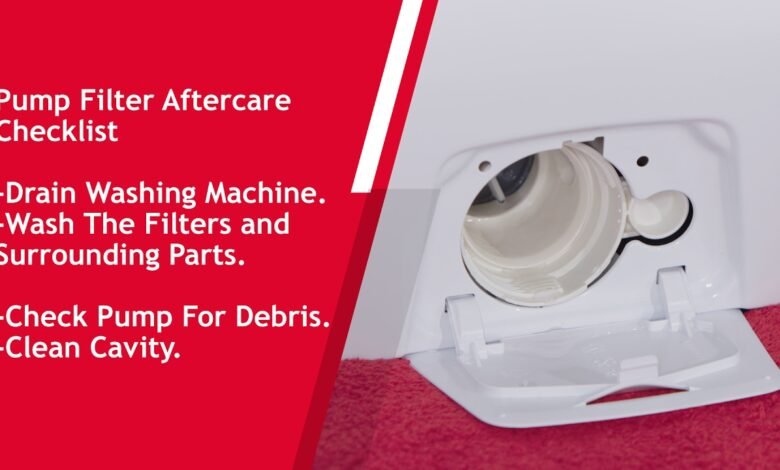
To begin hoover washing machine e20 troubleshooting, always switch off and unplug the appliance for safety. Once powered down, locate the pump filter at the bottom front of the machine. Carefully open it and allow any trapped water to drain into a container. Cleaning out debris from this area often resolves the issue immediately.
If the hoover washing machine e20 error persists, the next step is to inspect the drain hose. Ensure it is not kinked, crushed, or blocked. Straighten it fully and check for any visible obstructions. You should also examine the pump impeller to ensure it spins freely and is not jammed with foreign objects that could restrict drainage.
In more stubborn cases of hoover washing machine e20 fault, it is important to check the external drainage system. Pouring water down the sink or standpipe can help confirm whether the household plumbing is contributing to the issue. If drainage is slow externally, the problem may not be within the machine itself.
How to Reset Hoover Washing Machine E20 Error
A simple hoover washing machine e20 reset can sometimes clear the error if it has been triggered by a temporary electronic glitch. This involves turning off the machine, unplugging it from the power source, and waiting around five to ten minutes. After reconnecting, the system may reset and resume normal function.
However, the hoover washing machine e20 error code will not disappear if the underlying blockage has not been resolved. In such cases, the machine will continue to detect poor drainage and display the fault again. This is why resetting should always be combined with physical inspection and cleaning of the drainage system.
Preventing Hoover Washing Machine E20 Issues in Future
Preventing the hoover washing machine e20 error starts with regular maintenance. Cleaning the pump filter every few weeks can significantly reduce the chances of blockages forming. This simple habit ensures water flows smoothly and prevents unnecessary interruptions during washing cycles, especially in busy households.
Another effective prevention method is checking pockets before loading clothes into the machine. Small objects like coins, tissues, and hair clips are common causes of the hoover washing machine e20 fault. By keeping the drum free of debris and using appropriate detergent levels, users can reduce long-term drainage issues.
When Hoover Washing Machine E20 Becomes a Serious Fault
In some situations, the hoover washing machine e20 error may indicate a deeper mechanical issue. If the drain pump is making unusual noises, struggling to operate, or not running at all, it may require replacement. This is more likely in older machines that have undergone heavy use over time.
If the hoover washing machine e20 fault continues even after cleaning the filter, hose, and checking the drain system, professional inspection may be necessary. An engineer can test internal components and diagnose electrical or pump failures that are not easily visible during basic troubleshooting.
Conclusion on Hoover Washing Machine E20 Error
The hoover washing machine e20 error is primarily a drainage-related issue that can often be resolved with simple home maintenance. In most cases, blockages in the filter or hose are responsible, making it one of the more user-friendly faults to fix without technical expertise or costly repairs.
By understanding the hoover washing machine e20 meaning and following structured troubleshooting steps, users can restore their appliance quickly and efficiently. Regular cleaning and preventative care are key to avoiding repeat occurrences and ensuring long-term performance of the washing machine.